
Mold Assessment in the City of Miami: Flood Water or a Leak?
An assessment gives you a written answer on where the growth is, how far it runs, and whether the water that fed it came from outside the building or from a pipe, a drain or the unit above.
Mold Assessment quote in Miami
Tell us what you can see or smell, where it is, and whether it is a condo or a house. Those three answers decide who you need and who is likely responsible, which matters more here than the size of the stain.
Would you rather talk it through? Call (315) 640-3590.
$100 off your first job
Credited by us on your first booked job.
- One credit per customer per property, on your first booked job.
- Valid through December 31, 2026.
Mention this offer when you book. Full terms.
Miami flood zones and rental housing behind this page
The Local Mitigation Strategy counts 209 residential and 29 commercial repetitive loss properties in the City of Miami in 2024. Of the 147,232 buildings the plan maps in the city, 62,364, about 42 percent, are in FEMA special flood hazard zones A, AE, AH or VE, including 3,864 in the coastal high hazard VE zone.
Source: Miami-Dade County Local Mitigation Strategy, Part 5: NFIP and CRS (September 2025), Tables 8 and 12, accessed 2026-09-23
The City of Miami has 223,826 housing units in the ACS 2020 to 2024 estimates. 48.8 percent are in buildings of 20 or more units and 22.4 percent are single-family detached. 69.2 percent of occupied units are renter occupied. 7.8 percent of units were built in 1939 or earlier and 50.8 percent before 1980.
Source: US Census Bureau, American Community Survey 2020 to 2024 5-year estimates, table DP04 Selected Housing Characteristics, Miami city, Florida, accessed 2026-09-23
The NFIP Standard Flood Insurance Policy Dwelling Form (44 CFR Part 61, Appendix A(1)) does not insure 'Water, moisture, mildew, or mold damage that results primarily from any condition' within the insured's control, including 'Failure to inspect and maintain the property after a flood recedes'. It also excludes loss from 'Power, heating, or cooling failure unless the failure results from direct physical loss by or from flood to power, heating, or cooling equipment on the described location.'
Source: US Government Publishing Office, Code of Federal Regulations, 44 CFR Part 61 Appendix A(1), Dwelling Form (October 1, 2025 edition), accessed 2026-09-23
EPA: 'In most cases, if visible mold growth is present, sampling is unnecessary. Since no EPA or other federal limits have been set for mold or mold spores, sampling cannot be used to check a building's compliance with federal mold standards.'
Source: US Environmental Protection Agency, A Brief Guide to Mold, Moisture and Your Home, accessed 2026-09-23
Section 468.8419(1)(d) says a person may not 'perform or offer to perform any mold remediation to a structure on which the mold assessor or the mold assessor's company provided a mold assessment within the last 12 months.' Section 468.8419(2)(d) is the mirror rule, barring a remediator from assessing a structure it remediated within the last 12 months. Under 468.8419(3) a violation is a second degree misdemeanor the first time, a first degree misdemeanor the second time and a third degree felony after that.
Source: The Florida Senate, 2025 Florida Statutes, Chapter 468 Part XVI, section 468.8419 Prohibitions; penalties, accessed 2026-09-23
What a Miami assessment has to say about the water's source
Book an assessment when you need the source settled on paper before anyone quotes a removal. Inside the City of Miami, 62,364 of the 147,232 buildings the county's mitigation plan maps sit in FEMA flood zones A, AE, AH or VE, and 3,864 of them are in the coastal VE zone. On a ground floor or a garage-level unit, that makes the first finding a choice between two very different documents: water that came in from outside, or water from a supply line, a water heater or the AC. The report should name which, with moisture readings and photographs behind it, because every later decision follows from that line.
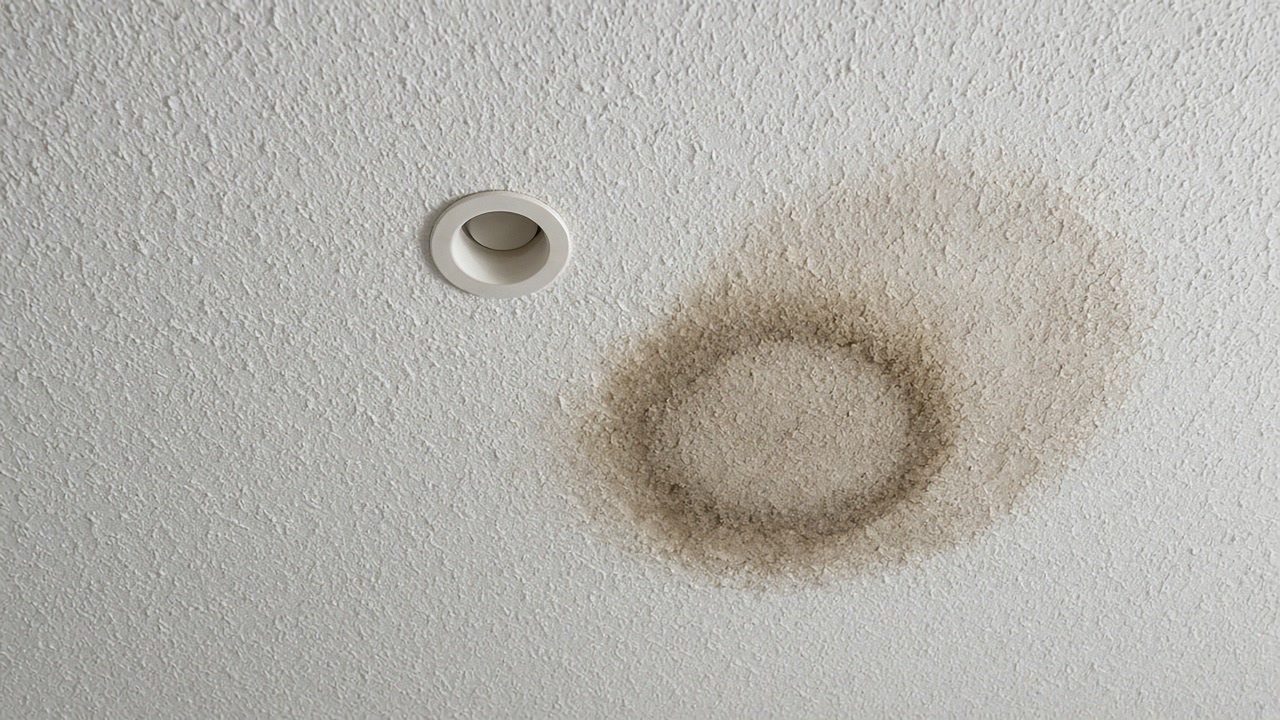
Before booking: flood water or a leak in a City of Miami unit
Decide who the report is for before the visit. If flood water is a possibility, the federal flood policy does not cover mold that results from failing to inspect and maintain the property after the water recedes, so an early, dated assessment is part of showing you acted. If the water came from inside, the report is what you hand the landlord or the association. About seven in ten City of Miami households rent, so a tenant should send the finding to the landlord in writing and keep a copy of everything.
Whether the water came from outside the building
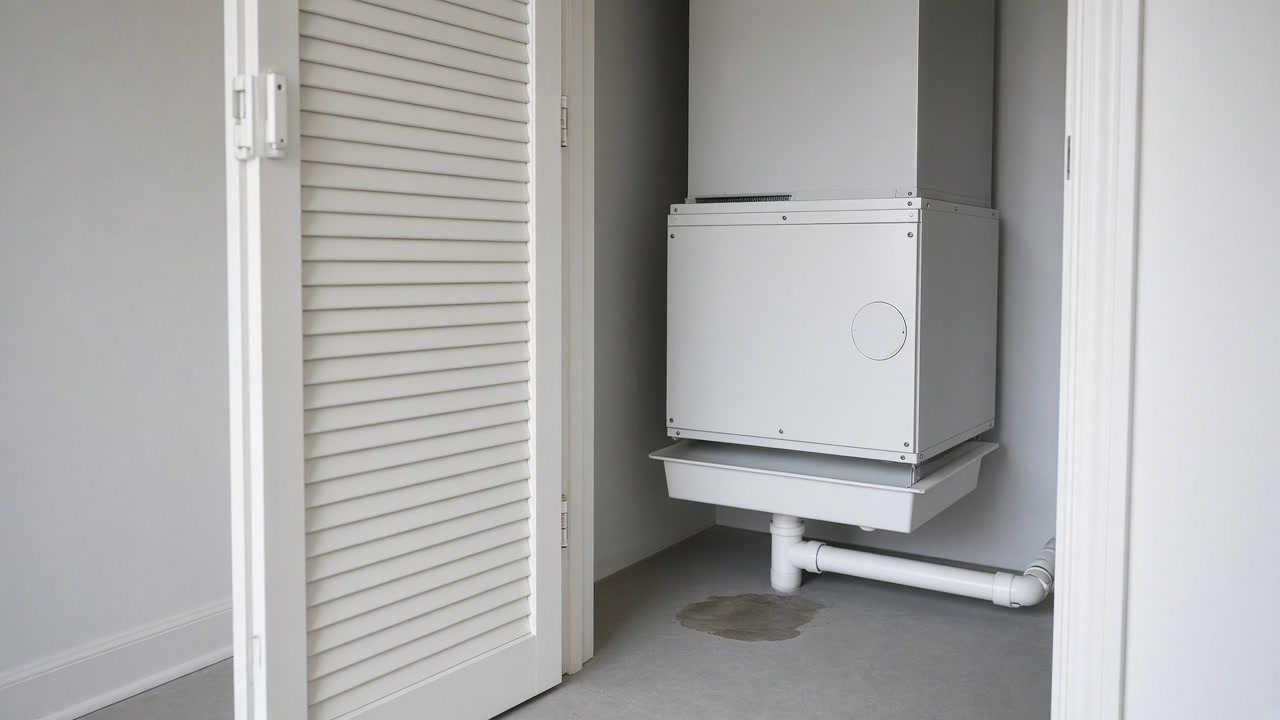
Ask the assessor to state it plainly. Water at ground level after rain points one way; a stain spreading from a supply line or the air handler closet points another.
Whether you need lab numbers
Usually not. EPA says that where mold is visible, sampling is in most cases unnecessary, and no federal limit exists to compare a result against. Spend the visit finding the water.
Whether the assessor will also remove it
It should not. Florida bars an assessor's company from remediating a structure it assessed within the last 12 months, and through us the two stay with different companies at every size.
Did the Miami water come from outside?
Say whether it appeared after rain or near a fixture, and which floor you are on. The reply tells you whether an assessment is worth booking yet.
After the Miami report: removal or a dry out
Miami ground-floor and folio questions
My Miami apartment is on the ground floor and the wall got wet after heavy rain. Is that a flood or a leak?
That is the question the assessment is there to answer, and it should answer it in writing. Moisture that is highest at the base of an exterior wall and falls off with height reads differently from moisture spreading out from a fixture. Tell your landlord the date you first saw it, and keep the photographs.
Does it matter whether my address is City of Miami or unincorporated?
For the assessment itself, no: the mold assessor license is a state license. It matters later, for any rebuild permit, because only folios beginning 01 go to the City of Miami's building department and folios beginning 30 go to the county. Look the folio up on the Property Appraiser's site.
Send the Miami stain and the floor it is on
A person reads it and writes back with what the report needs to settle. Asking commits you to nothing.