
Miami-Dade County, from Aventura to Homestead
Mold Remediation Across Miami-Dade, by a Firm That Did Not Assess It
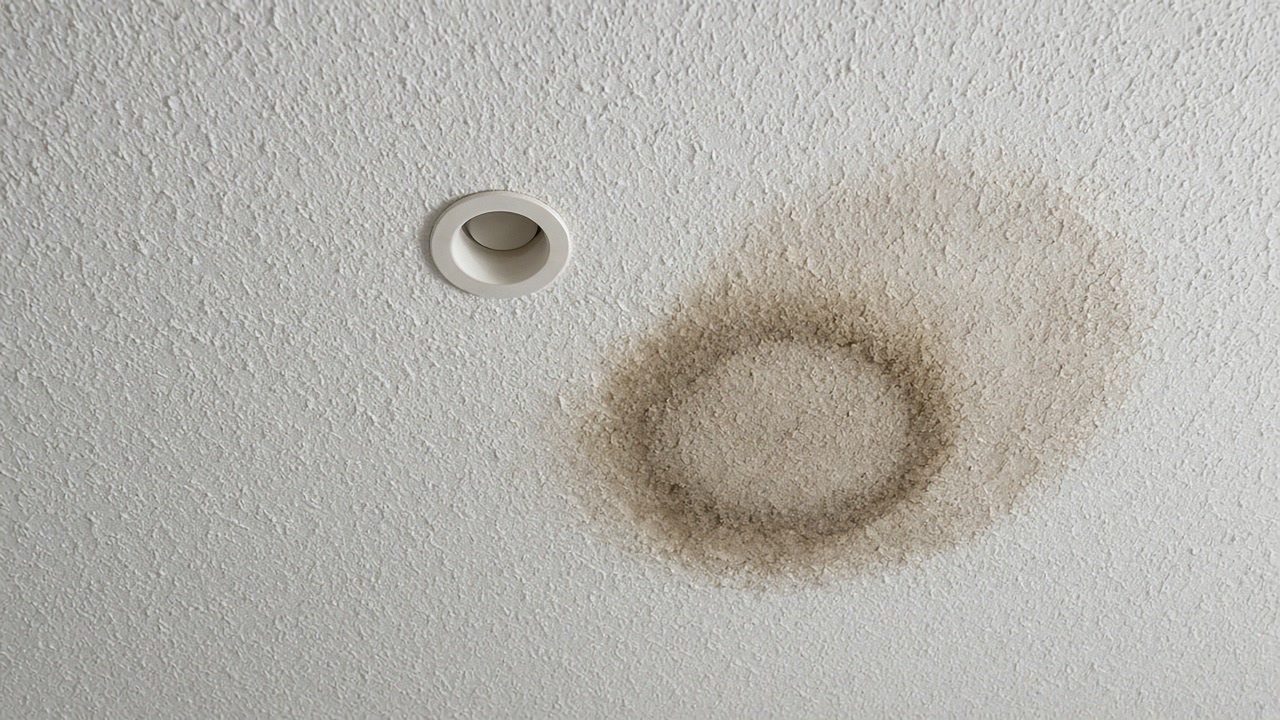
The drywall beside the air handler has gone soft, or the ceiling stained again after the unit above fixed its leak, and you want the growth taken out properly by a licensed remediator working to someone else's report, not to a bigger one of its own.
Mold Remediation quote
Tell us whether you have a written protocol, what it says has to come out, and whether the water has been fixed. That decides whether the next step is removal or the assessment that should come first.
Would you rather talk it through? Call (315) 640-3590.
$100 off your first job
Credited by us on your first booked job.
- One credit per customer per property, on your first booked job.
- Valid through December 31, 2026.
Mention this offer when you book. Full terms.
What leaves the unit, what stays, and who is allowed to do it
By this stage there is usually a report, or at least a wall nobody wants to open: drywall gone soft beside the air handler, a ceiling that stained again after the neighbor upstairs fixed their leak, baseboard crumbling at the corner of a shower. Remediation is the part where material comes out. The area is sealed behind containment under negative air, the affected drywall, insulation and trim are cut out and bagged inside it, the block, furring and framing behind are cleaned and dried, and the space is handed over ready for an independent check and then the rebuild. Above 10 square feet this is licensed work in Florida, and the law requires a remediator to carry at least $1,000,000 of general liability that specifically covers mold claims. We arrange a licensed remediator that did not assess the property, working from a protocol written by someone who gains nothing from its size.
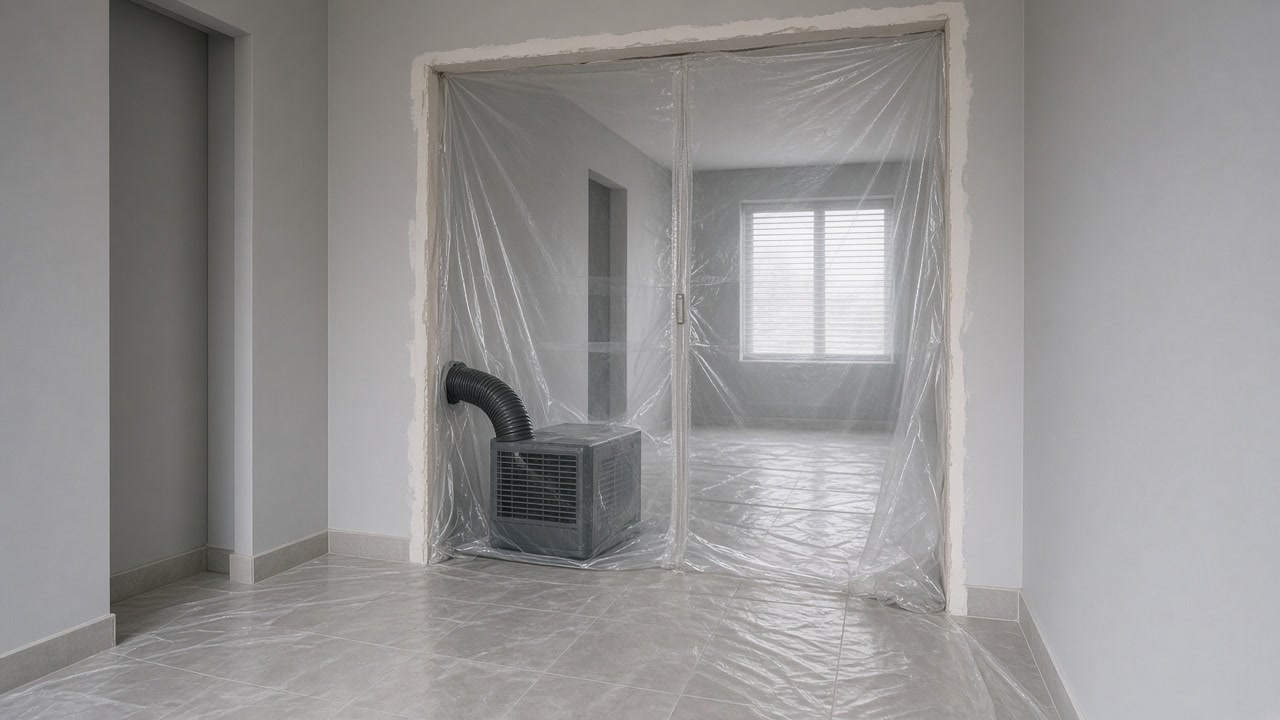
- Containment built to the protocol rather than the room: poly sheeting, zipper doors and sealed returns, so an AC closet job does not become a whole-unit job
- Negative air machines with HEPA filtration exhausting the contained area, and HEPA vacuuming of every surface inside it
- Removal of grown-through or wet drywall, baseboard, insulation, closet shelving and cabinet backs, bagged inside the containment before it crosses the unit
- Cleaning what stays in place: concrete block, wood furring strips, metal studs, and the underside of a concrete deck
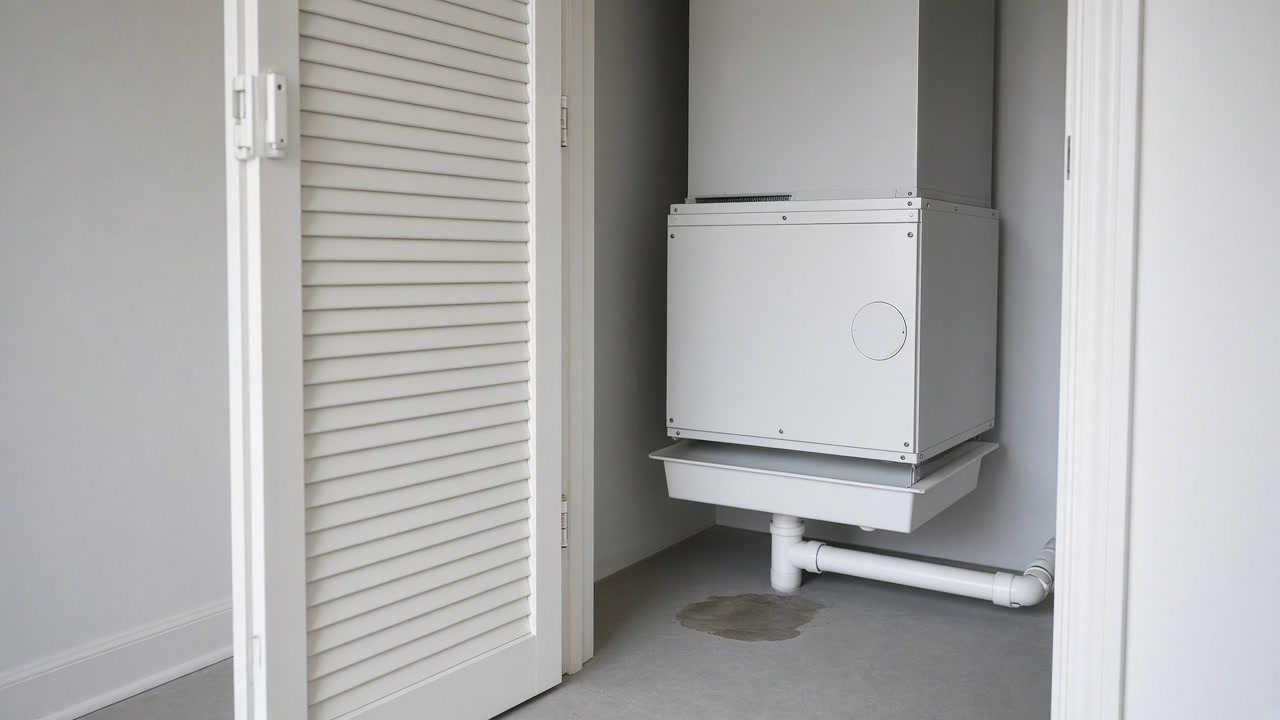
- Air handler closet work sequenced with an AC contractor, who handles the platform, drip pan, condensate line and duct connections while the remediator handles the growth around them
- Drying and moisture readings on everything that remains, so nothing is closed up damp
- Condo logistics that decide the schedule: the board's written consent, elevator and loading dock bookings, proof of insurance for the management office, and the building's working hours
- Permit coordination for any rebuild that needs one, with the building department of the right municipality
- Handover to an independent assessor for verification before the walls go back
What sizes a remediation in a Miami-Dade building
The price is set by the protocol, the building and the paperwork before it is set by the mold. These are the things that move it most here.
Whether there is a protocol, and who wrote it
A remediator working to its own finding is pricing a job it defined. Florida bars a remediator from assessing a structure it remediated within 12 months, and the reverse, so the protocol should come from a separate licensed assessor. If there is no protocol yet, that is the first step, not the removal.
The board's consent and its conditions
Section 718.111(11)(g)1 lets a unit owner undertake reconstruction on the unit only with the board's prior written consent, and the board may condition that on the repair method, the contractor's qualifications or the contract itself. Those conditions shape the schedule and sometimes the scope.
Which building department the property falls under
Miami-Dade has 35 municipalities, each with its own building official, and the county permits unincorporated areas. The new small-project exemption for work under $7,500 does not cover units in multi-family buildings or properties in a flood hazard area, and plumbing and electrical work always needs a permit.
How much material is affected
Florida's mold remediation definition starts above 10 square feet. Below it the job may not need a licensed remediator at all. Above it, the containment and the removal scale with the area in the protocol.
Whether the source is actually fixed
EPA advises keeping AC drip pans clean and drain lines flowing. A drain line still dripping into the closet will wet new drywall the same way it wet the old, so the remediation waits for the repair, and the price assumes it.
What the wall is built from
Drywall on furring strips over block is common here. The board and the strips can come out and the block can be cleaned, which is a very different job from a frame wall with insulation in the cavity.
Who is paying for which part
The unit owner insures the finishes inside the unit, and the association insures the building elements its policy covers. A remediation contract that separates the two lets each side read its own share, and Citizens' own homeowners and condo forms set fungi coverage at $10,000, so read your declarations for your own limit before the scope is agreed.
Holding a protocol and need the removal priced?
Send us what the report says has to come out and where the building is. We will point you to a licensed remediator that did not write it, and asking carries no obligation.
Source fixed, board signed, then the containment goes up
Start from a protocol written by someone else
The remediator prices against the assessor's written scope. If there is no scope yet, we arrange the assessment first.
Stop the water before anything is cut
The plumber, the AC contractor or the association fixes the source. Removing mold ahead of the repair puts new drywall in the path of the same water.
Get the paperwork in place
A written, signed remediation contract, which Florida requires; the board's written consent in a condo; and any permit the rebuild will need from the right building department.
Build containment and set negative air
The work area is sealed off, the returns are covered, and HEPA air machines keep it under negative pressure for the whole job.
Remove, bag and clean
Affected porous material comes out in the order the protocol sets, is bagged inside the containment, and what stays is HEPA vacuumed and cleaned.
Dry and record readings
Everything left in place is measured dry and the readings are logged before the containment is released.
Independent verification, then the rebuild
An assessor who did none of the removal checks the space against the protocol. Only then do new drywall, paint and trim go in.
What mold remediation looks like

What a remediator hands back, and when the job is yours to do
When you may not need this at all
- At 10 square feet or less, with the water stopped, Florida's remediation license does not apply, and EPA says a homeowner can usually handle a patch that size. Wear gloves, bag what you remove, and fix the reason it got wet.
- If you own the house, section 468.841 exempts a residential owner remediating their own property. Larger jobs are still hard work to do safely, but the law does not stop you.
- If the material got wet in the last two days and nothing has grown, drying may keep it in place. That is a different and usually smaller job.
- If the damage is in a common element, a roof, a riser or the building's own wall cavity, section 718.111(11)(g)1 says reconstruction after a property loss is undertaken by the association. Ask the manager before you hire anyone.
- If there is only a smell and nothing measures wet, removal is premature. An assessment finds out what, if anything, needs to come out.
What is out of scope
- The assessment and the verification. Both go to a separate licensed assessor, because Florida keeps the two jobs apart for 12 months.
- Repairing the source: plumbing, AC and roof work belong to those licensed trades.
- Rebuild finishes such as drywall, paint, cabinets and flooring, priced separately, often by a general contractor.
- Handling your insurance claim. For residential policies issued on or after January 1, 2023, Florida law voids an assignment of post-loss benefits, so the claim stays with you and nobody here asks you to sign it over.
- Structural repairs to a condo building, which run through the association and its engineer.
- Any medical opinion about the people living in the unit.
Mold remediation arranged across Miami-Dade towns
Remediation questions about boards, permits and policy limits
Does the whole wall have to come out?
Rarely. The protocol marks what has growth or reads wet, and porous material in that area comes out, usually with a margin. Concrete block and sound framing behind it are cleaned rather than removed. A remediator who wants to go well past the protocol should explain why in writing.
Do I need the board's permission in a condo?
For reconstruction on your unit, yes. Section 718.111(11)(g)1 requires the board's prior written consent and lets it set conditions on the method, the contractor and the contract. Ask for those conditions early, because proof of insurance, working hours and elevator bookings are what usually decide the start date.
Do I need a permit for this?
Whether the removal itself needs one depends on the work involved, and the rebuild may, and which department issues it depends on the municipality. Florida's new exemption for small projects under $7,500 does not cover units in multi-family buildings or properties in a flood hazard area, and any plumbing or electrical work needs a permit regardless.
Will my insurance pay for the removal?
We cannot say, and anyone who tells you before reading your policy is guessing. Look at the declarations page for a fungi or mold limit. Citizens' own homeowners and condo forms set it at $10,000, and its condo form sets loss assessment coverage at $2,000. Your insurer or your own adviser can say how a claim applies.
The remediator asked me to sign an assignment of benefits. What should I do?
For a residential policy issued on or after January 1, 2023, section 627.7152(13) makes an assignment of post-loss benefits void, invalid and unenforceable. The law carves out a power of attorney given to a management company or a family member, which is a different document. Nobody we arrange asks for either.
How do I know the job was done properly?
An assessor who took no part in the removal checks the space against the written protocol, with readings and photographs, before the walls are closed. That independent check is the point of keeping the two companies separate.
Tell us what has to come out, and where
The room, the building, and whether the board has been told. Someone here reads it and replies with the order of work, including whatever has to happen before a saw comes in.