
Mold Assessment in Opa-locka for Renters and the Owners They Rent From
An assessment gives an Opa-locka tenant and landlord the same written answer: where the mold is, how far it runs, what water fed it and what fixing it involves.
Mold Assessment quote in Opa-locka
Tell us what you can see or smell, where it is, and whether it is a condo or a house. Those three answers decide who you need and who is likely responsible, which matters more here than the size of the stain.
Would you rather talk it through? Call (315) 640-3590.
$100 off your first job
Credited by us on your first booked job.
- One credit per customer per property, on your first booked job.
- Valid through December 31, 2026.
Mention this offer when you book. Full terms.
Opa-locka renters: the letter, the visit and the report
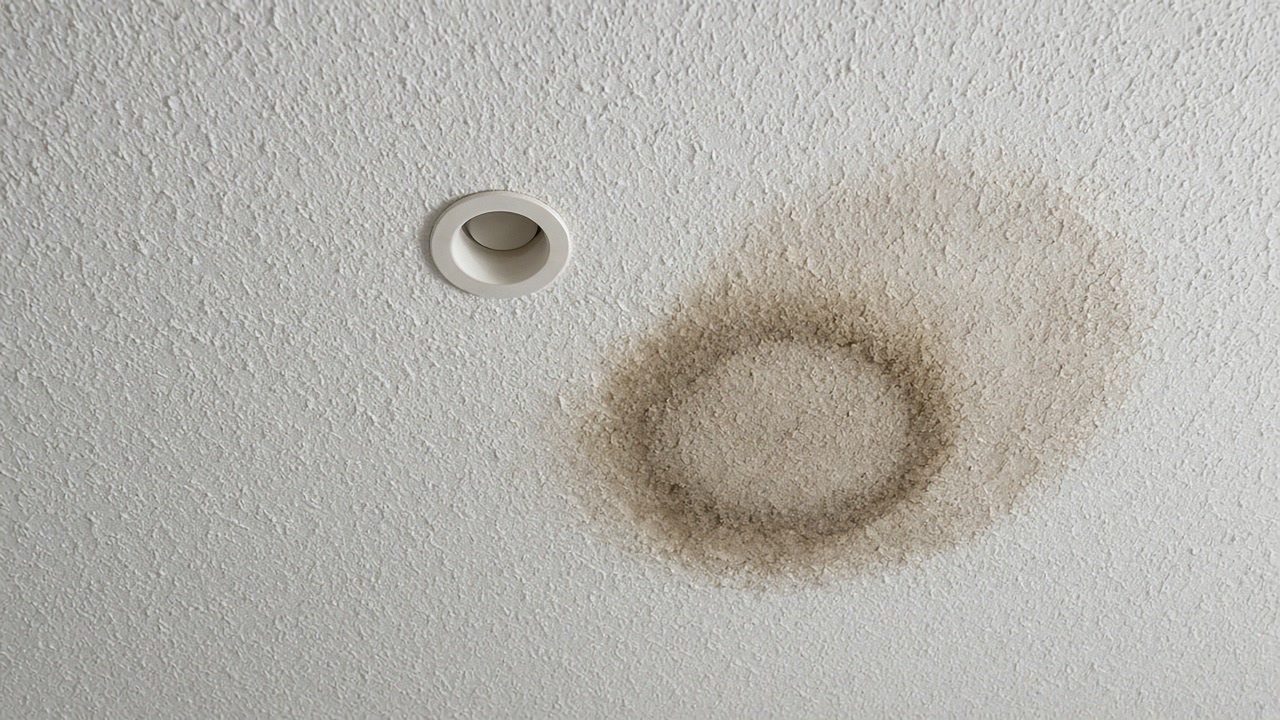
Start with a letter, not a booking. A tenant's first step is a dated written description sent to the landlord, with photographs, and a copy kept. If the owner books an assessment, ask for a copy of the report. If you book one yourself, agree access first, because any inspection openings are in the owner's walls. Either way, the report should name the source: a roof, a window, a supply line or the air handler's drain in a building that age. Lab sampling rarely adds anything where the growth is visible, according to EPA, and there are no federal limits to compare it against.
Whether the landlord has it in writing
Dated, with photographs, and a copy kept. That comes before anything else.
Who books the visit
Usually the owner. A tenant can, with access agreed.
Whether the assessor is independent
Florida bars an assessment whose fee depends on its findings. Ask how the fee is set.
Opa-locka rentals and building age, from the census
Opa-locka has 5,951 housing units in the ACS 2020 to 2024 estimates. 71.1 percent of occupied units are renter occupied, the highest renter share among the places on this site. 36.6 percent of units were built before 1960 and 64.5 percent before 1980; 32.6 percent are in buildings of 20 or more units.
Source: US Census Bureau, American Community Survey 2020 to 2024 5-year estimates, table DP04 Selected Housing Characteristics, Opa-locka city, Florida, accessed 2026-09-23
Section 468.8419(1)(e) bars an assessor from inspecting for a fee 'any property in which the assessor or the assessor's company has any financial or transfer interest', and (1)(h) bars accepting an engagement 'in which the assessment itself, or the fee payable for the assessment, is contingent upon the conclusions of the assessment.' Section 468.8419(2)(e) bars a remediator from remediating for a fee a property in which it has a financial or transfer interest.
Source: The Florida Senate, 2025 Florida Statutes, Chapter 468 Part XVI, section 468.8419(1)(e), (1)(h) and (2)(e), accessed 2026-09-23
EPA: 'In most cases, if visible mold growth is present, sampling is unnecessary. Since no EPA or other federal limits have been set for mold or mold spores, sampling cannot be used to check a building's compliance with federal mold standards.'
Source: US Environmental Protection Agency, A Brief Guide to Mold, Moisture and Your Home, accessed 2026-09-23
The Miami-Dade Property Appraiser's folio chart gives each municipality a two-digit code as the first two digits of the folio: 01 Miami, 02 Miami Beach, 03 Coral Gables, 04 Hialeah, 06 North Miami, 08 Opa-locka, 10 Homestead, 24 Key Biscayne, 25 Sweetwater, 28 Aventura, 32 Miami Lakes, 33 Palmetto Bay, 34 Miami Gardens, 35 Doral and 36 Cutler Bay. 'Code 30 indicates properties in Miami-Dade County not within the municipality, otherwise referred to as unincorporated.' Kendall does not appear on the list.
Source: Miami-Dade County Property Appraiser, Folio Numbers, accessed 2026-09-23
Miami-Dade County's permit exemptions page says that beginning July 1, 2026, Florida House Bill 803 lets certain work valued under $7,500 on single-family homes, duplexes and townhouses proceed without a building permit. 'Units in multi-family buildings do not qualify', properties partly or entirely within a flood hazard area are not eligible, electrical, plumbing, structural, mechanical and gas work always requires a permit, and a project cannot be split into phases to avoid permitting.
Source: Miami-Dade County Regulatory and Economic Resources, Permit Exemptions, accessed 2026-09-23
What mold assessment involves in Opa-locka

Why an Opa-locka assessment helps tenant and owner alike
In Opa-locka the person who finds the mold is usually not the person who owns the wall. 71.1 percent of occupied units are rented, the highest renter share on this site, and the housing is old: 36.6 percent built before 1960 and 64.5 percent before 1980. That gap between who lives with the problem and who decides on the repair is where an assessment earns its place. A report with moisture readings and photographs, written by a licensed assessor whose fee does not depend on what it finds, turns a disagreement about a stain into a document both sides can read.
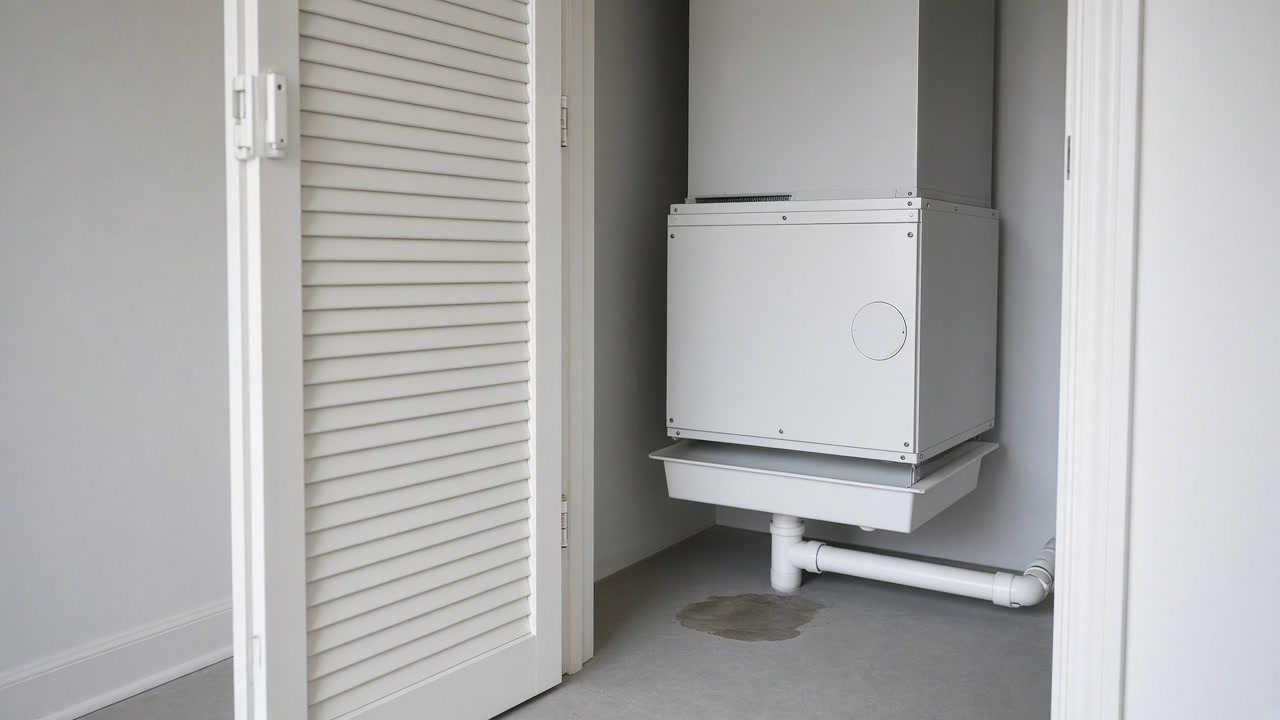
Has the Opa-locka landlord been told in writing?
Tell us whether you rent or own, where the mold is and what the landlord has said so far.
Opa-locka tenant and landlord questions
I rent in Opa-locka and the landlord says it is just condensation. What now?
It may be. Condensation can feed mold too, and a moisture reading is how you tell. Put your concern in writing to the landlord with photographs, and suggest an assessment. A written finding from an independent assessor settles the question for both of you.
Does the owner of an Opa-locka building need a permit for the repair?
The rebuild after a removal may need one; ask the city before work starts. Permits in Opa-locka come from the city for folios beginning 08, and in a multi-family building the 2026 small-project exemption does not apply. That is the owner's to arrange, not the tenant's.
Send the Opa-locka stain and your side of it
A person reads it and writes back with who should act first. What you do with the answer is up to you.