
Mold Assessment in Palmetto Bay: When It Is Worth Paying For
An assessment gives a Palmetto Bay owner the extent of the growth, the source of the water and a written scope a separate remediator can price, and it earns its fee when the job is bigger than you can see.
Mold Assessment quote in Palmetto Bay
Tell us what you can see or smell, where it is, and whether it is a condo or a house. Those three answers decide who you need and who is likely responsible, which matters more here than the size of the stain.
Would you rather talk it through? Call (315) 640-3590.
$100 off your first job
Credited by us on your first booked job.
- One credit per customer per property, on your first booked job.
- Valid through December 31, 2026.
Mention this offer when you book. Full terms.
Measure first: the size line for a Palmetto Bay house
Measure before you book. Florida's mold licenses only reach growth of more than 10 square feet, and EPA says a patch smaller than roughly three feet by three feet is in most cases one you can handle yourself, once the water is fixed. Florida also exempts a residential owner assessing or remediating their own property. Above that size, or with water behind the wall, pay for an assessor who will not be doing the removal. With 63.8 percent of the village's homes built before 1980, ask the assessor to check the roof, the windows and the plumbing, and skip lab sampling unless there is a reason: EPA says it is usually unnecessary where growth is visible.
How big the patch is
Under about 10 square feet with the source fixed, it is usually yours to clean.
Whether the wall reads wet past the stain
A moisture meter shows it. Wet beyond what you can see is when an assessment pays for itself.
Whether you know where the water came from
If you do and it is fixed, you may not need anyone. If you do not, that is the assessor's first job.
Palmetto Bay ownership and the rules on small patches
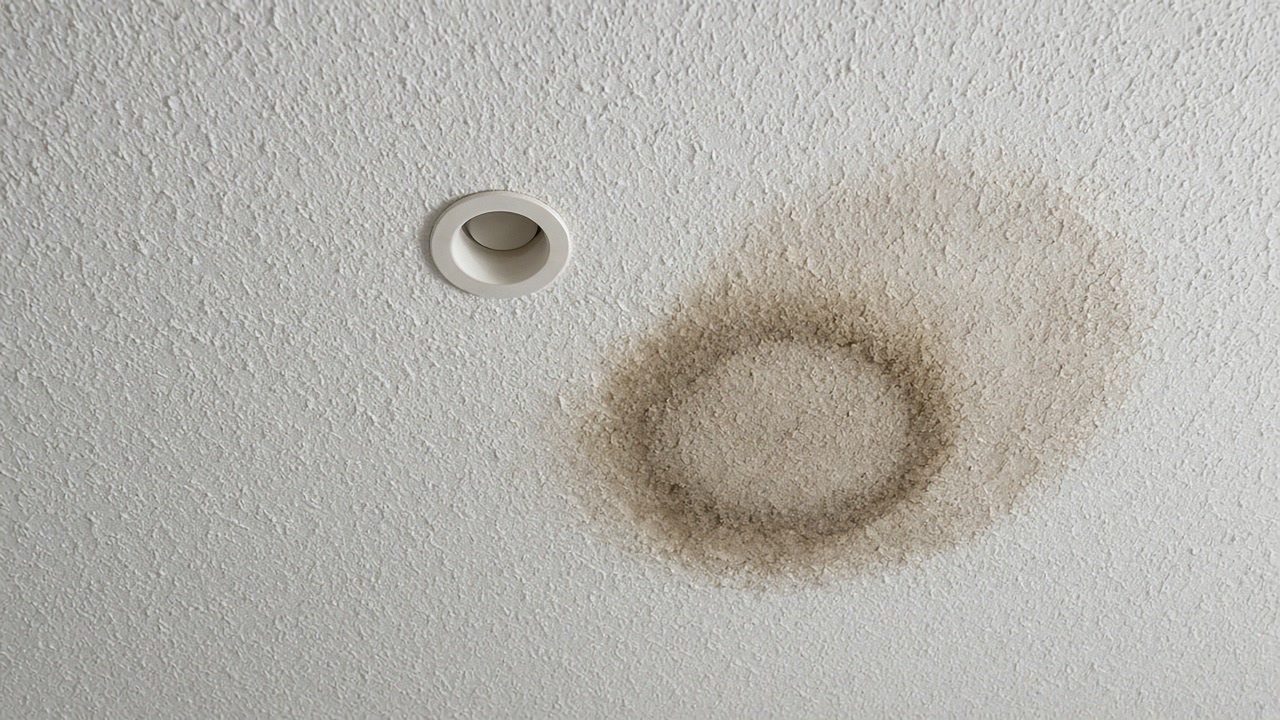
Palmetto Bay has 8,681 housing units in the ACS 2020 to 2024 estimates. 79.3 percent are single-family detached, and 78.2 percent of occupied units are owner occupied, the highest owner share among the places on this site. 63.8 percent of units were built before 1980.
Source: US Census Bureau, American Community Survey 2020 to 2024 5-year estimates, table DP04 Selected Housing Characteristics, Palmetto Bay village, Florida, accessed 2026-09-23
Florida Statutes section 468.8411 defines both licensed activities by size. A 'mold assessment' is an evaluation of the origin, identity, location and extent of 'mold growth of greater than 10 square feet', and 'mold remediation' is the removal, cleaning, sanitizing, demolition or other treatment 'of mold or mold-contaminated matter of greater than 10 square feet that was not purposely grown at that location.'
Source: The Florida Senate, 2025 Florida Statutes, Chapter 468 Part XVI, section 468.8411 Definitions, accessed 2026-09-23
Section 468.841(1)(a) and (2)(a) exempt from Part XVI 'A residential property owner who performs mold assessment on his or her own property' and one 'who performs mold remediation on his or her own property.'
Source: The Florida Senate, 2025 Florida Statutes, Chapter 468 Part XVI, section 468.841 Exemptions, accessed 2026-09-23
EPA: 'It is important to dry water-damaged areas and items within 24-48 hours to prevent mold growth.' And: 'If the moldy area is less than about 10 square feet (less than roughly a 3 ft. by 3 ft. patch), in most cases, you can handle the job yourself'; where there has been a lot of water damage or growth covers more than 10 square feet, EPA points readers to its guidance for larger buildings.
Source: US Environmental Protection Agency, A Brief Guide to Mold, Moisture and Your Home, accessed 2026-09-23
EPA: 'In most cases, if visible mold growth is present, sampling is unnecessary. Since no EPA or other federal limits have been set for mold or mold spores, sampling cannot be used to check a building's compliance with federal mold standards.'
Source: US Environmental Protection Agency, A Brief Guide to Mold, Moisture and Your Home, accessed 2026-09-23
What mold assessment involves in Palmetto Bay
When a Palmetto Bay owner should pay for an assessment
In the Village of Palmetto Bay the owner is usually the only person who has to be convinced. 79.3 percent of homes are detached houses and 78.2 percent of occupied units are owner occupied, the highest owner share of any town we cover. That makes the assessment a choice, not an obligation someone else imposes. It earns its fee when the growth is larger than a three by three foot patch, when the wall reads wet beyond the stain, or when you cannot find the water. It is poor value for a small mark by a window you already know leaks.
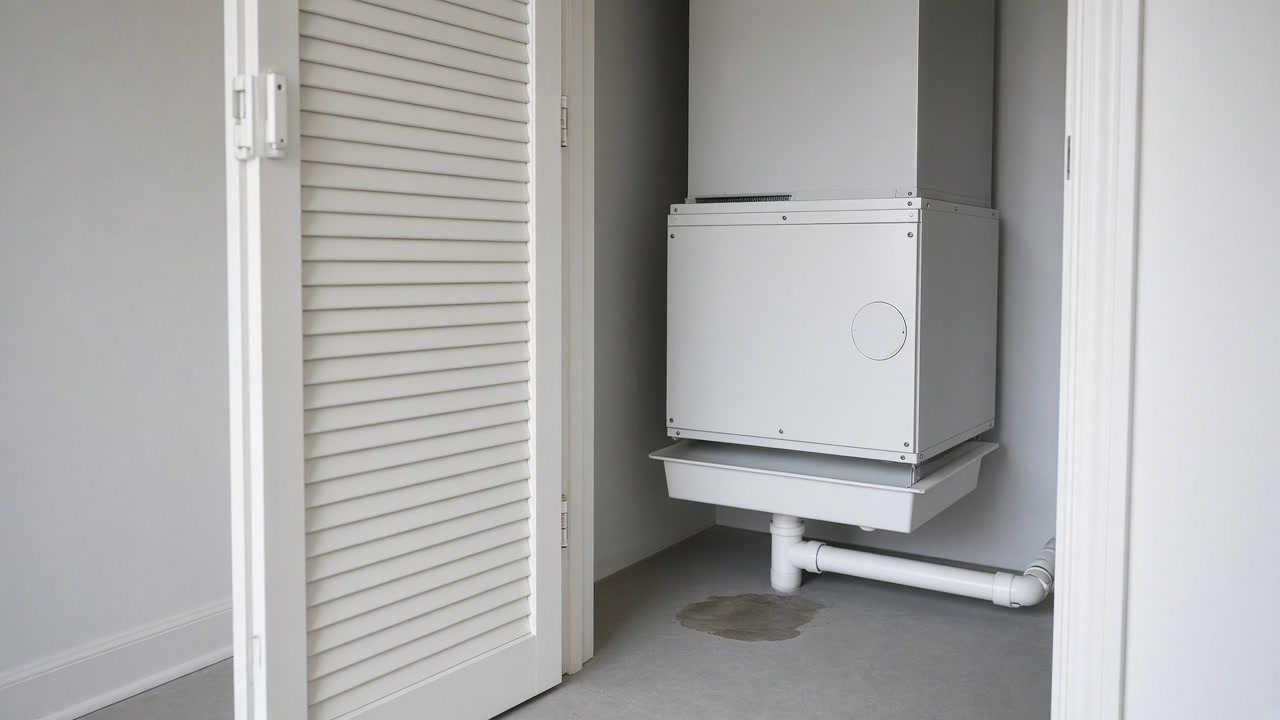
Do you know where the Palmetto Bay water came from?
Say whether the source is found and fixed, and roughly how far the mark spreads. That decides whether you need an assessor.
Palmetto Bay do-it-yourself and report questions
Is it legal for me to clean mold in my own Palmetto Bay house?
Yes. Florida's mold licensing law exempts a residential property owner who assesses or remediates their own property. The law governs the people you pay, not you. Bag what you remove, keep the AC running, and fix whatever let the water in.
What should a Palmetto Bay assessment report include?
Where the growth is and how far it runs, the moisture readings and photographs behind that, the source of the water, and a written protocol a remediator can price. It should not include a removal price from the assessor's own company.
Send the Palmetto Bay patch and its size
A person reads it and writes back. If a scrub brush and a fixed window will do, the reply says so.