
Mold Assessment in Miami Beach When the Unit Next Door Is Empty
An assessment tells you whether the water behind your stain started in your unit, in the one beside or above it, or in the building itself, and puts that finding on paper for the association.
Mold Assessment quote in Miami Beach
Tell us what you can see or smell, where it is, and whether it is a condo or a house. Those three answers decide who you need and who is likely responsible, which matters more here than the size of the stain.
Would you rather talk it through? Call (315) 640-3590.
$100 off your first job
Credited by us on your first booked job.
- One credit per customer per property, on your first booked job.
- Valid through December 31, 2026.
Mention this offer when you book. Full terms.
Miami Beach tower units and vacancy, on the record
Miami Beach has 63,243 housing units in the ACS 2020 to 2024 estimates. 65.4 percent are in buildings of 20 or more units, 84.5 percent in buildings of 5 or more, and just 8.8 percent are single-family detached. 34.2 percent of units are vacant, 59.1 percent of occupied units are renter occupied, and 67.2 percent of units were built before 1980.
Source: US Census Bureau, American Community Survey 2020 to 2024 5-year estimates, table DP04 Selected Housing Characteristics, Miami Beach city, Florida, accessed 2026-09-23
The ACS 2020 to 2024 estimates count 50,471 housing units in Miami-Dade County vacant 'For seasonal, recreational, or occasional use', about 4.6 percent of all units. In Miami Beach the count is 13,380 (21.2 percent of all housing units), in Aventura 7,910 (30.0 percent) and in Key Biscayne 1,736 (23.7 percent).
Source: US Census Bureau, American Community Survey 2020 to 2024 5-year estimates, table B25004 Vacancy Status, accessed 2026-09-23
Section 718.111(11)(f)3 says the association's property policy must exclude 'all personal property within the unit or limited common elements, and floor, wall, and ceiling coverings, electrical fixtures, appliances, water heaters, water filters, built-in cabinets and countertops, and window treatments' located within the unit and serving only it. 'Such property and any insurance thereupon is the responsibility of the unit owner.'
Source: The Florida Senate, 2025 Florida Statutes, Chapter 718 Condominiums, section 718.111(11)(f), accessed 2026-09-23
Section 718.113(1): 'Maintenance of the common elements is the responsibility of the association, except for any maintenance responsibility for limited common elements assigned to the unit owner by the declaration.'
Source: The Florida Senate, 2025 Florida Statutes, Chapter 718 Condominiums, section 718.113(1), accessed 2026-09-23
Following Miami Beach water past your own wall
In a Miami Beach building the question is rarely whether there is mold. It is whose water fed it. 65.4 percent of the city's housing units are in buildings of 20 or more, and 34.2 percent of all units are vacant, so the apartment above or beside yours may have no one in it to notice a supply line weeping into a shared wall. A useful assessment follows the moisture past your own drywall to the point where it enters, records readings on both sides where access allows, and says in writing whether the source sits in a unit, in a common element, or cannot yet be reached.
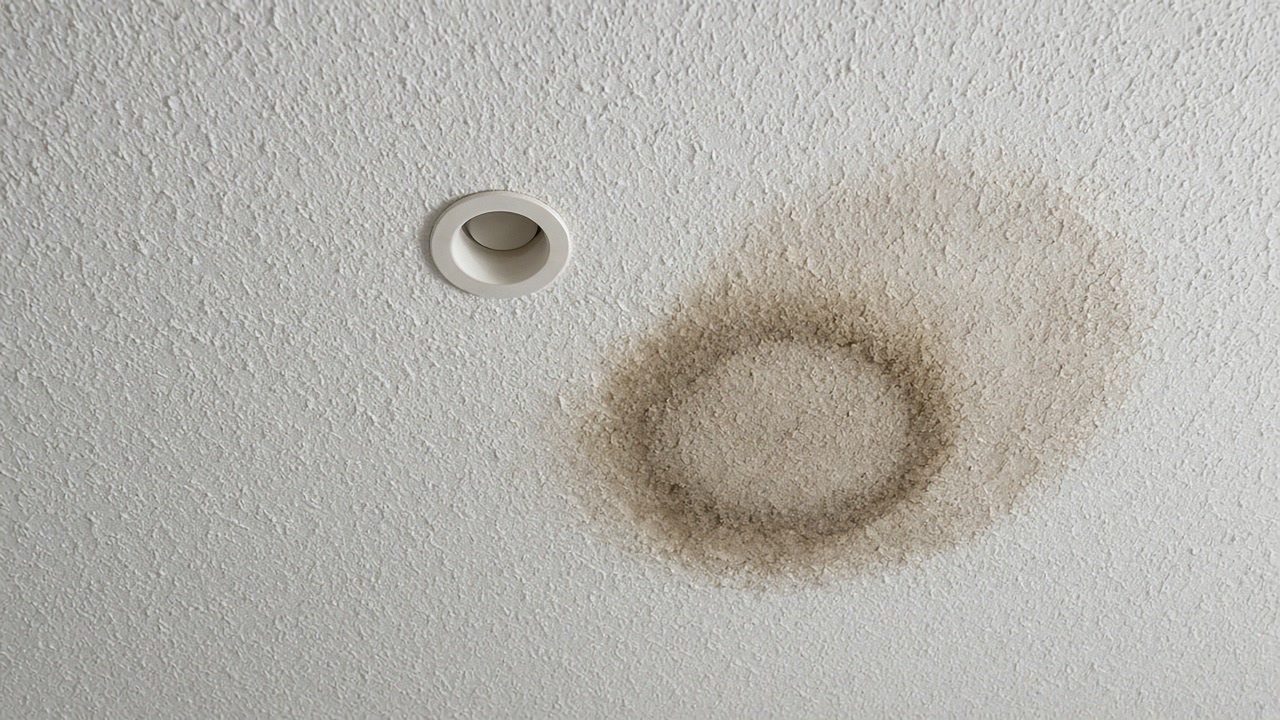
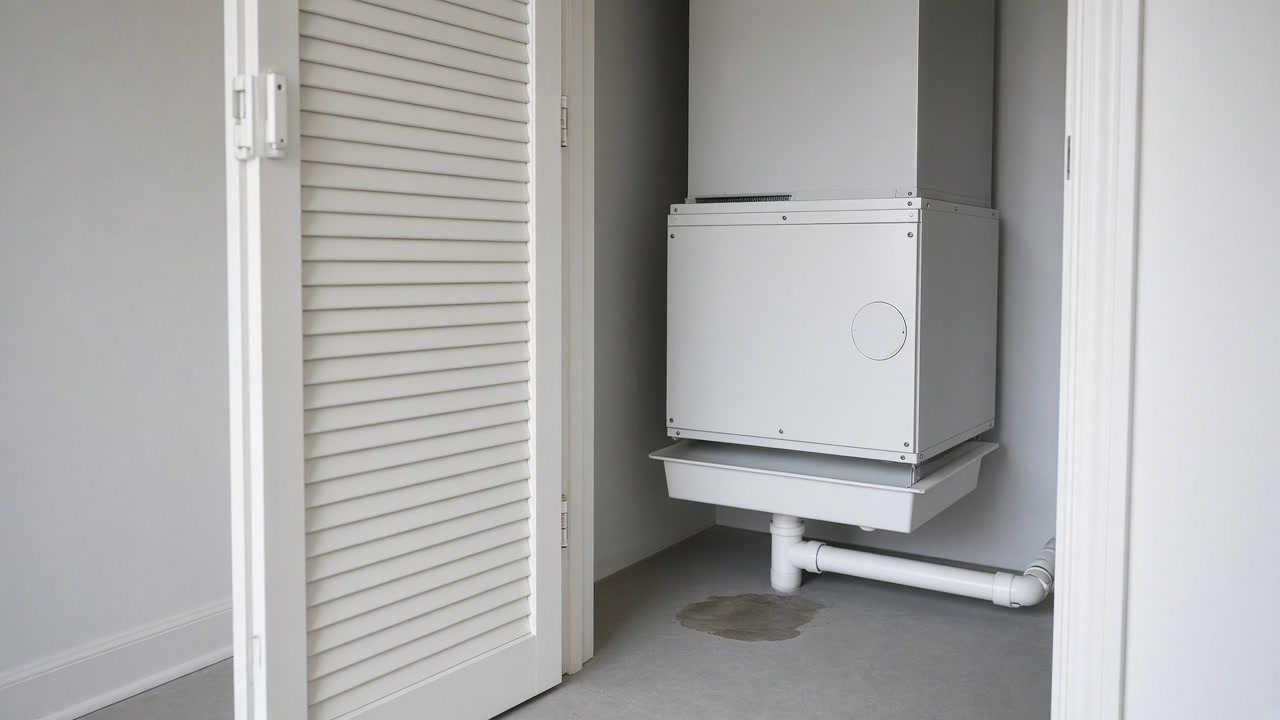
Your unit, the empty one next door, or the building: Miami Beach
The unit line decides the money. Florida's condominium act excludes from the association's policy the floor, wall and ceiling coverings, appliances and water heaters inside a unit, and makes them the unit owner's to insure, while maintenance of the common elements belongs to the association. A report that places the source on one side of that line is the document both the manager and your own insurer will ask for. Ask the manager for access to the neighboring unit before the visit, not after, because an assessor who cannot reach the source can only describe the stain.
Whether the unit beside or above is occupied
If it is empty, tell the manager in writing now. The assessor may need access, and an empty unit's leak does not stop on its own.
Whether the source is in a common element
A riser, a roof or the building's own wall cavity is the association's to maintain. The report should say so plainly if that is where the readings point.
What the report must contain
Where the growth is, how far the moisture runs, the source, and the photographs and readings behind each line. A number from a lab is rarely what settles this.
Is the Miami Beach unit above yours occupied?
Tell us whether anyone is living beside or above you and where the stain is. It decides whether the assessor can reach the source.
Other Miami Beach work: removal and drying
Access and hiring questions from Miami Beach owners
The Miami Beach unit above mine is empty for the season. Can the assessor get in?
Only with permission. Ask the manager, who may hold a key or be able to reach the owner, and put the request in writing with the date you found the stain. Without access the report can still map your side of the ceiling and say where the moisture is highest, which narrows the argument.
Who hires the assessor, me or the association?
If the source looks like a common element, the association may commission its own. If it looks like it sits inside a unit, the owner of the affected finishes usually does. You can book one yourself either way; a finding independent of whoever removes the mold is useful to everyone reading it.
Send the Miami Beach stain and the building details
A person reads it and writes back about access, the association and whether a report is worth booking. You decide what happens after that.